Why You Shouldn’t Rely Only on a Vehicle History Report When Buying a Used Car
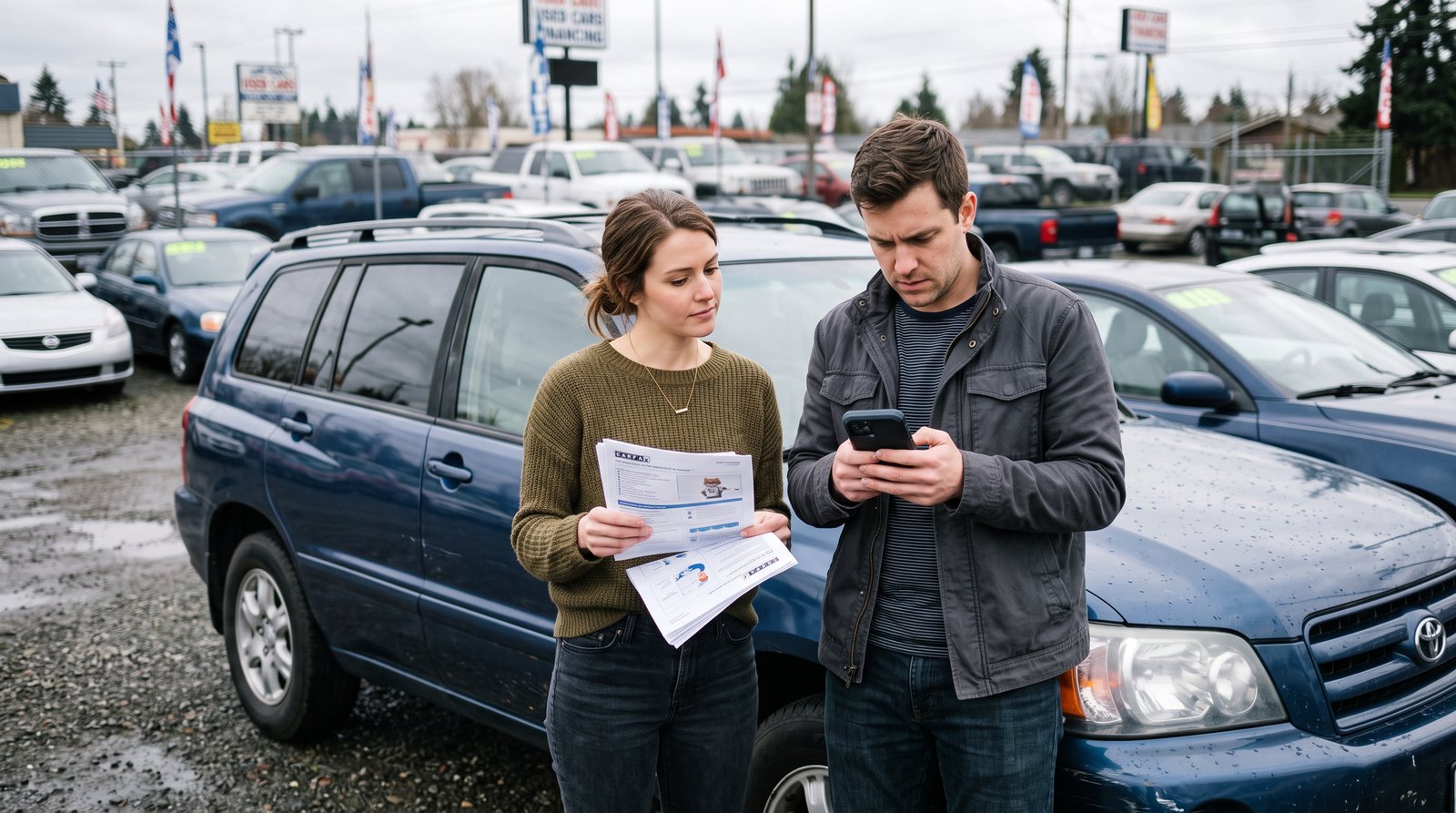
Vehicle history reports—like Carfax and AutoCheck—are useful tools when you’re shopping for a used car. They give you insights into a vehicle’s past, including accident history, service records, and ownership changes. But here’s the catch:
They don’t tell the whole story.
If you rely only on a vehicle history report to judge a car’s condition, you could be setting yourself up for costly surprises. Here’s why you need to dig deeper to make a smart, safe, and confident purchase.
1. Not All Accidents Get Reported
One of the biggest misconceptions is that history reports catch every accident. In reality:
- Many minor accidents or repairs never get reported
- Private-party repairs (done outside of insurance claims) don’t show up
- Frame damage or hidden issues can still exist, even if the report looks clean
A “clean” report doesn't mean the car is accident-free—it just means no official record exists.
2. They Don’t Tell You the Current Mechanical Condition
A vehicle history report can tell you what happened in the past, but it doesn’t say anything about:
- The current condition of the engine or transmission
- Fluid leaks, worn brakes, or bald tires
- Electrical system health or upcoming repairs
That’s why a professional mechanical inspection is essential before you buy.
3. Service Records May Be Incomplete—or Missing Entirely
While some reports include oil changes, tire rotations, and repairs, many don’t. That’s because:
- Not all shops report to history databases
- Private owners may have done their own maintenance
- Dealerships may skip uploading service data
If there’s a gap in service history, it’s a red flag that needs further investigation—not just blind trust.
4. Flood Damage, Salvage Titles, and Odometer Rollbacks Can Be Missed
Even though history reports are designed to catch things like salvage titles and odometer issues, these can be manipulated or delayed in reporting. Unscrupulous sellers sometimes:
- Title-wash cars by moving them across state lines
- Reset odometers illegally
- Hide flood-damaged vehicles that look fine on the surface
By the time it shows up on a report—it could be too late.
5. You Need to See the Car and Drive It Yourself
No report can replace:
- A test drive
- A visual inspection
- Trusting your gut
You might notice things a report can’t show, like:
- Unusual engine noise
- Poor alignment
- A strange smell inside the cabin
- Evidence of recent paintwork or body repair
Your own experience—and that of a trusted mechanic—tells you more than a PDF ever could.
What You Should Do Instead
To protect yourself when buying a used car:
- Get the Vehicle History Report – Use it as a tool, not a final verdict.
- Get a Pre-Purchase Inspection (PPI) – Hire an independent mechanic to fully inspect the vehicle.
- Ask for Service Records – Verify how well the car has been maintained over time.
- Check the Title and Ownership – Make sure the title is clean, in the seller’s name, and lien-free.
- Take a Thorough Test Drive – Drive in different conditions and listen for signs of trouble.
Final Thought: The Report Is a Tool—Not the Truth
Vehicle history reports are helpful, but they’re not foolproof. They give you part of the picture—but not the whole story.
To make a smart used car purchase, you need to combine the report with mechanical inspections, service records, your own observations, and good old-fashioned questions.
Don’t let a clean report give you false confidence. Do your homework, ask the right questions, and you’ll drive away with a car you can trust.
Take this guide with you
Get a free PDF copy of this article to keep on your phone.