Why You Shouldn’t Rely Only on a State Inspection When Buying a Used Car
A valid state inspection is an important step in the used car buying process—but it’s not a guarantee of quality or reliability. If you're buying a used car and thinking, “It passed inspection, so it must be good,” you may be missing key warning signs that could cost you down the road.
Here’s why you shouldn’t rely solely on a state inspection when choosing a used car—and what to do instead.
1. State Inspections Focus on Minimum Standards—Not Full Vehicle Health
State inspections are designed to check for basic safety and emissions compliance, not the full mechanical condition of the vehicle.
What state inspections typically cover:
- Brakes
- Tires
- Lights
- Horn
- Windshield wipers
- Emissions system
What they don’t fully evaluate:
- Transmission health
- Engine performance
- Air conditioning
- Suspension wear
- Electrical systems
- Fluid leaks or slow-failing parts
A car can pass state inspection and still have hidden mechanical issues that could cost you thousands after purchase.
2. Passing Doesn’t Mean Problem-Free
A car that “just” passes inspection may still be:
- Near the end of its brake pad or tire life
- Burning oil but not enough to fail emissions
- Running rough but not setting off a check engine light
- Suffering from transmission slippage or timing issues
In other words: "pass" doesn’t mean "excellent"—it means "legal." That’s a big difference when you're investing in a used car.
3. Inspections Don’t Reveal Maintenance History
Even if a car passes inspection, it tells you nothing about how it’s been maintained over time. A vehicle with a spotty oil change history or neglected repairs may pass an inspection today—but fail you six months from now.
Always check the vehicle history report and ask for service records to see how the car has been cared for.
4. Only a Pre-Purchase Inspection Can Tell the Whole Story
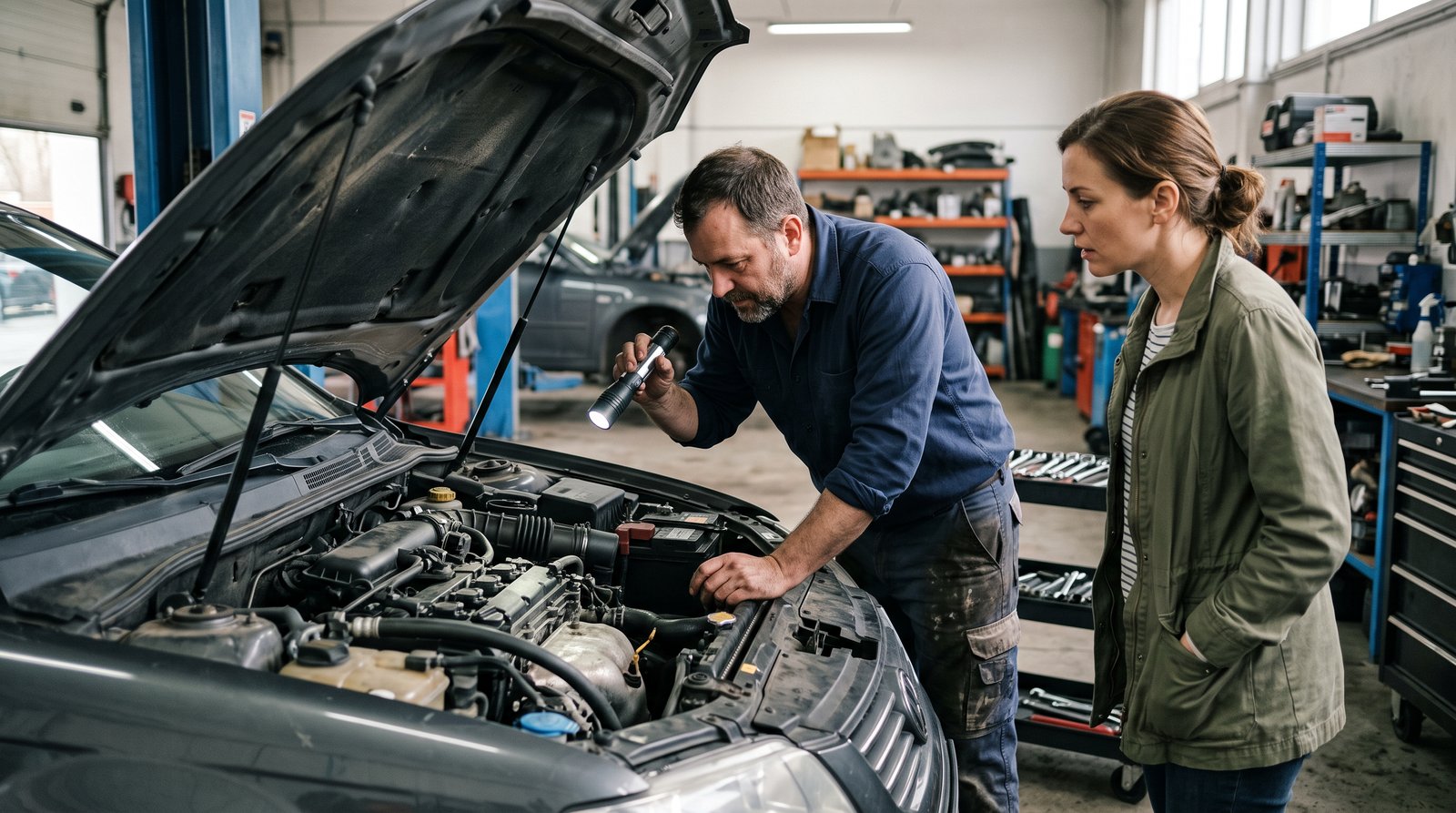
A state inspection is not a substitute for a professional pre-purchase inspection (PPI) by a qualified mechanic. A PPI is more in-depth and can uncover:
- Engine and transmission issues
- Leaks
- Frame or structural damage
- Worn components nearing failure
- Electrical glitches or warning signs
Investing in a $100–$200 inspection can save you thousands by helping you avoid a bad buy.
5. State Inspections Don’t Protect You After the Sale
If a car breaks down after you buy it—even if it just passed a state inspection—you’re likely on your own. Unless you have a written warranty, you’ll be responsible for all repair costs.
That’s why it’s so important to combine a state inspection with:
- A full vehicle history report
- A third-party mechanic’s opinion
- A clear understanding of the vehicle’s current condition
What You Should Do Before You Buy
- Get a Pre-Purchase Inspection – Use a trusted mechanic not affiliated with the seller.
- Ask for Maintenance and Repair Records – A clean, well-documented service history tells you a lot.
- Read the Vehicle History Report – Services like Carfax or AutoCheck show accidents, ownership history, and more.
- Check the Title – Avoid salvage, rebuilt, or flood-damaged vehicles—even if they passed inspection.
- Ask Questions and Trust Your Gut – If something feels off, it probably is.
Final Thought: Inspected ≠ Perfect
A state inspection is a good starting point—but it should never be the only box you check when buying a used car. Think of it as the bare minimum—not a full report card.
If you’re serious about buying a reliable, long-lasting used car, go beyond the sticker and the inspection tag. Do your homework, get it inspected by a pro, and ask the right questions before you sign.
That’s how smart car buyers stay in the driver’s seat.
Take this guide with you
Get a free PDF copy of this article to keep on your phone.